How Much Is Canadian Dollar Rate In Usa Today

How much is Canadian dollar rate in USA? This question resonates with many travelers, investors, and businesses involved in cross-border transactions. The Canadian dollar (CAD) fluctuates against the US dollar (USD) due to various factors, including economic indicators, trade dynamics, and historical contexts. Understanding these elements is crucial for anyone interested in currency exchange and market trends.

The Canadian dollar’s value is not just a numerical figure; it reflects the economic relationship between Canada and the US, influenced by historical events and current market conditions. As we explore how much the Canadian dollar is worth in the US, we will delve into the intricate web of factors that affect its valuation and the implications for trade, investment, and everyday transactions.

Understanding the Historical Context of the Canadian Dollar Rate in the USA

The exchange rate between the Canadian dollar (CAD) and the US dollar (USD) has been shaped by numerous historical events and economic factors throughout the years. Understanding this context is crucial for anyone interested in the dynamics of currency exchange. The relationship between these two currencies has fluctuated due to various influences, including economic policies, global events, and shifts in trade dynamics.Throughout history, significant events have impacted the valuation of the Canadian dollar.

For instance, the oil crisis of the 1970s led to a surge in oil prices, benefiting Canada—an oil-exporting nation. This event caused the CAD to strengthen against the USD as investors anticipated increased revenues from oil sales. Conversely, during the 2008 financial crisis, the Canadian dollar weakened due to reduced demand for commodities and a flight to the safety of the US dollar.Economic factors that have shaped these rates include inflation, interest rates, and trade balances.

Canada’s economy is heavily reliant on its natural resources, particularly oil, gas, and minerals. Changes in commodity prices often have a direct impact on the strength of the Canadian dollar. For example, a rise in oil prices typically supports a stronger CAD, while a decline can lead to depreciation.Key moments in history, such as the introduction of the floating exchange rate system in 1970, marked a significant shift.

This allowed the CAD to be more influenced by market forces rather than being pegged to the USD or another stable currency. Additionally, the signing of the North American Free Trade Agreement (NAFTA) in 1994 increased trade between Canada and the USA, further influencing exchange rates as economic interdependence grew.

The Factors That Influence the Canadian Dollar Value Against the US Dollar

Numerous economic indicators play a vital role in determining the strength of the Canadian dollar in comparison to the US dollar. Understanding these indicators can provide insights into future fluctuations and trends in the exchange rate. Some of the primary factors include interest rates, inflation, and trade balances, each contributing to the overall health of the economy.Interest rates set by the Bank of Canada directly affect currency strength.

When interest rates rise, the Canadian dollar typically appreciates because higher rates offer better returns on investments denominated in CAD. Conversely, lower rates can lead to depreciation as investors seek more lucrative options elsewhere. Inflation rates are also crucial. A higher inflation rate in Canada compared to the US can lead to a depreciation of the CAD as purchasing power erodes.

Conversely, a lower inflation rate can strengthen the currency. Trade balances further influence currency valuation; a trade surplus typically boosts the CAD, while a trade deficit can weaken it.External factors also heavily influence currency valuation. Here are some of the most notable:

  • Geopolitical events (e.g., tensions in the Middle East affecting oil prices)
  • Natural disasters impacting trade routes and commodity production
  • Economic sanctions on trade partners
  • Global economic trends that affect investor sentiment
  • Changes in commodity prices, particularly oil and natural gas

How to Monitor the Canadian Dollar Rate in Real Time

Keeping track of the live exchange rates between the Canadian and US dollars is essential for businesses and individuals engaged in cross-border transactions. Fortunately, there are several methods and platforms available to monitor these fluctuations in real time.Various online platforms offer live currency exchange rates. Financial news websites and currency exchange services typically provide instant updates on rates. Additionally, mobile applications designed for finance and trading can send alerts about significant changes in exchange rates, helping users stay informed.Here’s a table showcasing some recommended resources for monitoring exchange rates:

Resource Description
XE.com A popular platform for live exchange rates with historical data and currency conversion tools.
OANDA Offers real-time currency exchange rates along with tools for traders and foreign exchange charts.
Bloomberg Provides comprehensive financial news and data, including currency rates and analysis.
Forex.com Focuses on forex trading, offering real-time quotes, market news, and trading resources.
Investing.com Features a currency converter, real-time exchange rates, and economic calendars for tracking market events.

The Impact of Exchange Rate Fluctuations on Trade Between Canada and the USA

Curiosity killed the cat - Wikipedia

Exchange rate fluctuations between the Canadian and US dollars have significant implications for trade dynamics between the two countries. As neighboring nations with extensive trade agreements, changes in currency valuation can directly affect both Canadian exporters and American importers.When the Canadian dollar strengthens against the US dollar, Canadian goods become more expensive for American buyers. This could lead to a decrease in exports from Canada to the US, potentially harming Canadian businesses reliant on that trade.

Conversely, a weaker CAD can make Canadian goods more attractive to American consumers, leading to increased exports. For American importers, fluctuations also mean changing costs. A stronger CAD may reduce the cost of imported goods from Canada, benefiting US consumers and businesses. However, if the CAD weakens, it could result in higher costs for American companies relying on Canadian products.

Industries significantly affected by exchange rate fluctuations include:

  • Automobile manufacturing, where parts and vehicles are often sourced across the border
  • Agriculture, particularly in exports of grains and livestock
  • Natural resources, including oil and mining products
  • Retail, where Canadian retailers depend on price competitiveness with US imports
  • Tourism, as exchange rates influence travel costs for Canadian visitors to the US

The Role of Government and Financial Institutions in Currency Valuation

Government policy and central bank actions play a critical role in influencing the Canadian dollar’s exchange rate. The Bank of Canada, as the central bank, implements monetary policies that can strengthen or weaken the CAD based on economic conditions. This includes setting interest rates, which directly influence currency strength and investor confidence.Monetary policy decisions can have immediate effects on the currency market.

For instance, if the Bank of Canada raises interest rates to combat inflation, it generally leads to a stronger CAD as investors seek higher returns. Conversely, lowering rates can lead to depreciation as investors move their money to countries with more attractive yields.Experts have differing opinions on the effectiveness of government interventions in currency markets.

“Central banks can influence currency value, but sustained changes depend on various factors, including economic fundamentals and investor sentiment.”

Currency Analyst

Future Predictions for the Canadian Dollar Against the US Dollar

Predicting the future of the Canadian dollar in relation to the US dollar involves analyzing economic forecasts, potential challenges, and growth opportunities that may affect the exchange rate. Several factors will play crucial roles in shaping the CAD’s trajectory.Currently, analysts highlight the potential impact of commodity prices, especially oil, on the CAD’s future valuation. With Canada’s economy heavily reliant on energy exports, any fluctuations in global oil prices will directly influence the Canadian dollar.

Additionally, economic conditions in both Canada and the US, such as growth rates and inflation, will play a significant role in currency valuation.Comparing different economic forecasts reveals varied methodologies and outcomes. Here’s a summary of two distinct forecasts:

Forecasting Institution Forecast Outcome Methodology
Bank of Canada CAD to strengthen moderately in the next year Utilizes economic models based on inflation rates, GDP growth, and commodity prices.
IMF CAD to remain stable against the USD Considers global economic trends and historical data to analyze currency movements.

In conclusion, while predictions can provide insights, they are inherently uncertain. Global events, economic shifts, and trade dynamics are all factors that could sway the Canadian dollar’s value against the US dollar in the coming years.

Ending Remarks

In summary, the Canadian dollar rate against the US dollar is shaped by a complex interplay of historical context, economic factors, and real-time market data. Whether you’re planning a trip, investing, or just curious about currency fluctuations, staying informed about the CAD/USD exchange rate is essential. As we look to the future, understanding these trends will empower you to make better financial decisions.

Questions Often Asked

What is the current exchange rate for CAD to USD?

The exchange rate fluctuates regularly; check a reliable financial news source for the latest rate.

How often do exchange rates change?

Exchange rates can change multiple times a day based on market conditions and economic news.

Where can I find real-time exchange rate information?

Many financial websites and apps provide real-time exchange rate information, such as XE, OANDA, and banks.

What factors contribute to the Canadian dollar’s strength?

Key factors include interest rates, inflation, trade balances, and geopolitical events.

How does a strong Canadian dollar affect trade?

A strong CAD can make Canadian exports more expensive and imports cheaper, impacting trade dynamics.

Kenya Money Exchange Rate In U.s An Insightful Overview

The kenya money exchange rate in u.s plays a crucial role in global finance, impacting everything from tourism to trade. Understanding the dynamics behind this rate can empower individuals and businesses to make informed decisions. As the exchange rate fluctuates due to various economic and political factors, being educated on these aspects helps mitigate risks and seize opportunities.

From analyzing historical trends to exploring the role of the Central Bank of Kenya, this overview delves into the intricacies of how the exchange rate operates, its influences, and what the future might hold. With recent developments and expert insights, we aim to provide a comprehensive understanding of this essential subject.

Understanding the Current Kenya Money Exchange Rate in the U.S.

The exchange rate between the Kenyan Shilling (KES) and the U.S. Dollar (USD) is influenced by a variety of factors that reflect the economic relationship between the two countries. Understanding these influences can help individuals and businesses navigate currency conversions more effectively. The primary factors affecting this exchange rate include differences in inflation rates, interest rates, and economic stability. For instance, if Kenya experiences higher inflation than the U.S., the value of the Shilling could depreciate against the Dollar, making imports costlier while potentially boosting exports.

Recent fluctuations in the exchange rate show that over the past year, the KES has seen a range between 100 to 110 against the USD, with notable dips linked to political instability and economic reports.

Historical Trends of the Kenya Money Exchange Rate Compared to the U.S.

Examining historical trends reveals significant shifts in the KES/USD exchange rate, often triggered by major economic or political events. Over the last decade, the Kenyan Shilling has experienced both highs and lows, reflecting the country’s economic journey.Key historical events that impacted the exchange rate include:

  • The 2007-2008 post-election violence, which caused a dramatic depreciation of the Shilling.
  • Global economic crises, such as the 2008 financial crash that affected remittances and trade.
  • The ongoing impacts of the COVID-19 pandemic, which led to increased economic uncertainty and fluctuations in currency value.

The last decade has shown a trend of gradual depreciation of the Shilling, influenced by ongoing economic reforms and external economic pressures.

The Role of the Central Bank of Kenya in Exchange Rate Management

The Central Bank of Kenya (CBK) plays a crucial role in managing the exchange rate through various monetary policies and interventions. The CBK’s primary objective is to maintain economic stability and control inflation, which directly impacts currency value.To stabilize the Shilling, the CBK engages in:

  • Market interventions, where they buy or sell foreign currencies to influence the exchange rate.
  • Setting interest rates which can attract foreign investment, thereby boosting the currency.
  • Implementing foreign exchange reserves management strategies to ensure liquidity and stability.

These interventions have shown varying degrees of effectiveness, with some periods resulting in greater stability than others.

Comparing the Kenya Money Exchange Rate with Other Major Currencies

When assessing the Kenya money exchange rate, it’s insightful to compare the Kenyan Shilling against other major currencies, such as the Euro (EUR) and the British Pound (GBP).Here’s a comparative table showing the exchange rates:

Currency Exchange Rate (KES)
U.S. Dollar 110
Euro 120
British Pound 140

These comparisons are essential for international trade as they determine the competitiveness of Kenyan exports and the cost of imports. A weaker Shilling makes imports more expensive, while a stronger Shilling can hurt local exporters by making their products pricier abroad.

Impact of Economic Indicators on the Kenya Money Exchange Rate

Key economic indicators significantly influence the Kenya money exchange rate. These include inflation rates, interest rates, and overall economic growth.For example:

  • High inflation in Kenya can lead to a depreciation of the Shilling as purchasing power decreases.
  • Changes in interest rates can either attract or deter foreign investment, affecting currency strength.
  • Recent economic reports, such as GDP growth rates, have led to immediate reactions in the currency market.

An understanding of these indicators is vital for investors as they gauge the economic health of a nation and its currency stability.

Currency Exchange Services and Their Impact on Individuals

When it comes to exchanging Kenyan Shillings to U.S. Dollars, various services are available, ranging from banks to online platforms. Each service comes with its own set of advantages and drawbacks.Factors to consider when choosing an exchange service include:

  • Exchange rates offered by the service.
  • Transaction fees and service charges.
  • Convenience and accessibility of the service.

Individuals should also be aware of the costs associated with different methods, as these can significantly affect the total amount received during currency exchanges.

Future Predictions for the Kenya Money Exchange Rate

Experts’ predictions suggest a mixed outlook for the Kenya money exchange rate, influenced by both local and global economic factors. Potential influences on future rates include:

  • Global economic recovery post-COVID-19, which could stabilize trade.
  • Local political stability and governance reforms that may boost investor confidence.
  • Changes in commodity prices, particularly exports like tea and coffee, which significantly affect the economy.

Monitoring these predictions is crucial for travelers and businesses to make informed decisions regarding currency exchanges.

The Influence of Political Stability on the Kenya Money Exchange Rate

Political events in Kenya have a direct impact on the exchange rate, with stability playing a key role in currency confidence. The relationship between governance and economic policies is critical. For example:

  • Political turmoil or uncertainty can lead to depreciation of the Shilling as investors pull out.
  • Stable governance tends to attract foreign investment, supporting a stronger currency.
  • Recent elections or policy shifts have historically influenced the exchange rate significantly.

These factors underscore the importance of political stability for a robust economy and currency value.

Strategies for Individuals and Businesses to Manage Currency Exchange Risks

To mitigate risks associated with fluctuating exchange rates, individuals and businesses can employ several strategies.Effective risk management strategies include:

  • Utilizing hedging techniques, such as forward contracts, to lock in exchange rates.
  • Diversifying currency holdings to spread risk across multiple currencies.
  • Staying informed on market trends and economic indicators to make timely decisions.

These strategies are essential for minimizing potential losses in an unpredictable currency environment.

The Impact of Tourism and Remittances on the Kenya Money Exchange Rate

Tourism and remittances play a significant role in influencing the Kenya money exchange rate. Tourism generates substantial foreign currency inflows, which boosts the Shilling. Key points include:

  • The volume of international tourists directly correlates with the demand for local currency.
  • Remittances from Kenyans living abroad are a vital source of foreign currency, supporting local consumption and investment.
  • Recent trends indicate a rise in both tourism and remittances, positively impacting the exchange rate.

Understanding these dynamics is crucial for grasping how external factors shape local currency values.

Last Recap

Kenya Africa Map with Provinces and Capitals

In conclusion, the kenya money exchange rate in u.s is not just a number; it reflects the broader economic landscape and serves as a vital indicator for various stakeholders. By staying informed about historical trends, current events, and potential future shifts, individuals and businesses can navigate the complexities of currency exchange more effectively. As we look ahead, awareness and adaptability will be key in thriving amidst the ever-changing financial environment.

Q&A

What is the current exchange rate of the Kenyan Shilling to the U.S. Dollar?

The current exchange rate fluctuates frequently, so it’s best to check real-time data for the most accurate figure.

How does political stability affect the exchange rate?

Political stability tends to strengthen a country’s currency, as it fosters investor confidence and economic growth.

What are the best ways to exchange Kenyan Shillings for U.S. Dollars?

Options include banks, currency exchange services, and online platforms, each with varying fees and exchange rates.

How can I avoid losses due to fluctuating exchange rates?

Consider using hedging strategies or fixed exchange rates to minimize risk, and stay informed about market trends.

What role do remittances play in the Kenya money exchange rate?

Remittances can boost demand for the Kenyan Shilling, influencing its exchange rate positively against the U.S. Dollar.

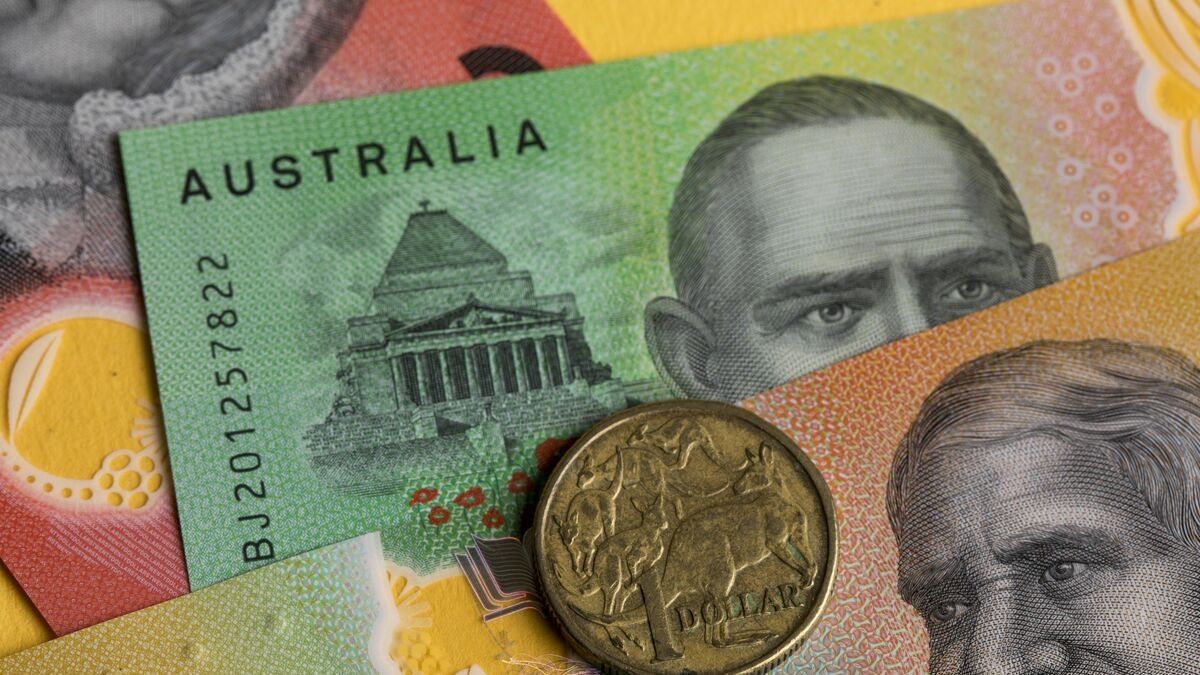
Australian Dollars To Usd History And Its Evolution

Australian dollars to usd history sets the stage for this enthralling narrative, offering readers a glimpse into a story that is rich in detail and brimming with originality. Over the decades, the exchange rate between the Australian dollar and the US dollar has witnessed significant fluctuations shaped by various economic events and policies. From its introduction to the present day, this journey reveals how macroeconomic factors, global trends, and historical crises have continuously influenced the currency’s valuation in the world market.

Understanding the evolution of this exchange rate not only highlights the resilience and growth of the Australian economy but also sheds light on the interconnectedness of global finance. As we explore the past, we gain insights into the current dynamics and future possibilities of the Australian dollar against its US counterpart.

The Evolution of the Australian Dollar to USD Exchange Rate

The Australian dollar (AUD) was introduced in 1966, replacing the Australian pound at a rate of two dollars for one pound. Since then, the exchange rate between the Australian dollar and the US dollar (USD) has undergone significant fluctuations, influenced by various economic and political events.The introduction of the AUD marked a shift to a floating exchange rate system, allowing market forces to determine its value.

In the early years, the AUD saw a gradual increase against the USD, reaching a peak during the commodity boom of the 1970s. However, the 1980s brought economic challenges, leading to a depreciation of the AUD. Key events such as the global financial crisis in 2008 and the resources boom of the 2000s have also played crucial roles in shaping the AUD/USD exchange rate.

Key Events Influencing Exchange Rate Fluctuations

Several events have significantly impacted the exchange rate over the decades:

  • The global oil crisis in the 1970s led to increased demand for Australian resources, strengthening the AUD.
  • The 1980s recession in Australia weakened the AUD, with unemployment rates peaking and inflation soaring.
  • The mining boom from 2003 to 2011 saw the AUD reach unprecedented highs, driven by demand for commodities from China.
  • The COVID-19 pandemic in 2020 caused volatility, with the AUD initially falling before recovering as economic conditions improved.

Macroeconomic Factors Affecting the Australian Dollar’s Valuation

The valuation of the Australian dollar against the US dollar is heavily influenced by macroeconomic factors such as inflation, interest rates, and employment rates. Understanding these elements provides insight into the currency’s behavior in the global market.Inflation rates, for instance, can erode purchasing power and influence central bank policies regarding interest rates. When inflation rises, the Reserve Bank of Australia may increase interest rates to stabilize prices, which can strengthen the AUD as higher rates attract foreign investment.

Employment rates also play a critical role; a strong labor market signals economic health, potentially bolstering the currency’s value.

The Role of Trade Balances

Trade balances between Australia and the United States significantly shape the currency’s worth. A positive trade balance, where exports exceed imports, generally supports a stronger AUD. Australia’s exports primarily consist of raw materials like iron ore and coal, which are in high demand from nations like China. Conversely, a trade deficit can weaken the AUD as more currency is needed to pay for imports.

Historical Events Leading to Significant Shifts in the AUD/USD Ratio

Throughout history, there have been specific events that caused notable changes in the AUD/USD ratio, reflecting the currency’s sensitivity to both domestic and global crises.For example, the financial crisis of 2008 led to a sharp decline in the AUD as global markets panicked, while subsequent recovery efforts and stimulus measures helped the dollar rebound. Additionally, Australia faced challenges during the Asian financial crisis in the late 1990s, which prompted a significant depreciation of the local currency.

Chronological Overview of Currency Valuation Changes

(USD/AUD) Convert United States dollar To Australian dollar - RTER.info

A timeline of key crises and booms illustrates the volatility of the AUD:

  1. 1966: Introduction of the Australian dollar at parity with the US dollar.
  2. 1983: Economic reforms and deregulation help the AUD recover.
  3. 1997: Asian financial crisis leads to a significant drop in the AUD.
  4. 2008: Global financial crisis causes a sharp decline before a slow recovery.
  5. 2011: Peak valuation during the resources boom, with AUD reaching close to parity with the USD.

Comparative Performance of the Australian Dollar Against Other Major Currencies

The Australian dollar’s performance can be analyzed in relation to other major currencies like the Euro and the British Pound. This comparative perspective highlights the AUD’s unique positioning in the global financial landscape.Compared to the Euro and British Pound, the AUD has shown varying levels of stability. Factors such as commodity prices, economic growth rates, and geopolitical tensions contribute to these dynamics.

For instance, during times of global economic uncertainty, the AUD has often behaved as a risk-sensitive currency, fluctuating more than others.

Factors Contributing to the AUD’s Uniqueness

Several factors make the Australian dollar unique:

  • Australia’s resource-rich economy, which is heavily reliant on commodity exports.
  • The country’s relatively stable political environment compared to other nations.
  • The strong investment ties between Australia and China, influencing demand for the AUD.

The Role of Commodities in Determining the Australian Dollar’s Value

Australia is known for its abundant natural resources, which play a crucial role in determining the exchange rate with the USD. The country’s economy is significantly influenced by the prices of commodities like iron ore, coal, and gold.When commodity prices rise, the AUD typically strengthens. For example, during the late 2000s, surging demand for iron ore from China propelled the AUD to record highs.

Conversely, a downturn in commodity prices can lead to a depreciation of the currency as revenue from exports diminishes.

Fluctuations in Commodity Prices

Specific commodities have historically influenced the strength of the Australian dollar. For instance:

  • Iron ore: A major driver of the AUD, with price fluctuations directly impacting currency valuation.
  • Coal: Demand from global markets has supported the AUD during periods of high prices.
  • Gold: As a safe-haven asset, gold prices can lead to increased AUD strength during market volatility.

The Influence of US Economic Policies on the Australian Dollar’s Exchange Rate

Changes in US economic policy can have a ripple effect on the Australian dollar, demonstrating the interconnectedness of global markets. When the Federal Reserve implements monetary policy changes, such as adjusting interest rates, it can lead to shifts in the AUD/USD exchange rate. A decrease in US interest rates, for example, often results in a weaker USD, which can strengthen the AUD.

Historical Instances of Policy Shifts Affecting the AUD

Examples of US policy shifts that have influenced the AUD/USD exchange rate include:

  • The 2001 economic stimulus measures post-9/11 that weakened the USD and strengthened the AUD.
  • The 2015 interest rate hike by the Federal Reserve that caused fluctuations in the AUD as markets adjusted.
  • Recent responses to inflation pressures, where US monetary tightening led to increased volatility in the AUD.

The Significance of Tourism and Immigration in Shaping Australian Dollar Value

Tourism and immigration are vital components of the Australian economy, significantly impacting the demand for the Australian dollar. A robust tourism industry boosts the AUD, as foreign visitors contribute to the economy by spending on services and goods. Similarly, immigration can enhance economic growth and, in turn, strengthen the currency through increased demand for local products and services.

Correlation Between Tourism, Immigration, and Exchange Rate Dynamics

Statistics show a strong correlation between tourism and the AUD value:

  • In 2019, tourism contributed over $60 billion to the Australian economy, influencing currency demand.
  • A rise in immigration rates has historically been linked to increased domestic consumption, supporting AUD strength.
  • During global crises, tourism declines can negatively impact the AUD, as seen during the COVID-19 pandemic.

The Future Outlook for the Australian Dollar Against the USD

Looking ahead, projections for the Australian dollar are influenced by historical performance and current economic indicators. Experts anticipate that fluctuations in commodity prices, changes in interest rates, and global economic conditions will continue to shape the AUD/USD exchange rate. For example, ongoing demand from China and potential trade agreements may present opportunities for the Australian dollar.

Potential Risks and Opportunities for the Australian Dollar

Factors to watch for in the future include:

  • Global economic recovery post-pandemic, which could drive demand for Australian exports.
  • Potential shifts in US monetary policy, impacting the AUD/USD exchange rate.
  • Ongoing geopolitical tensions that may affect commodity prices and currency valuation.

Ending Remarks

In summary, the history of the Australian dollars to usd exchange rate is a fascinating tapestry woven from economic policies, global events, and market forces. As we look ahead, it becomes clear that the Australian dollar will continue to navigate challenges and opportunities in an ever-changing financial landscape. By examining historical trends and current indicators, we can better appreciate the potential trajectory of this currency, making it an essential subject for anyone interested in global economics and finance.

Key Questions Answered

What was the initial exchange rate of the Australian dollar?

The initial exchange rate of the Australian dollar was pegged at 1 AUD to 1 USD when it was introduced in 1966.

How often does the exchange rate change?

The exchange rate can fluctuate frequently, often several times within a single day due to market conditions.

What major events have influenced the AUD/USD rate?

Major events include the 2008 financial crisis, changes in interest rates, and shifts in commodity prices.

Is the Australian dollar considered a stable currency?

Generally, the Australian dollar is viewed as a stable currency, though it can be volatile depending on global economic conditions.

How does tourism affect the AUD/USD exchange rate?

Increased tourism can raise demand for Australian dollars, potentially strengthening its value against the US dollar.