Us Dollar Vs Australian Money An Insightful Comparison

As us dollar vs australian money takes center stage, this opening passage beckons readers into a world crafted with good knowledge, ensuring a reading experience that is both absorbing and distinctly original.

The US Dollar and the Australian Dollar are more than just currencies; they represent the economic pulse of two nations. Over the past century, these currencies have evolved significantly due to historical events, economic shifts, and changing global perceptions. Understanding their dynamics not only sheds light on their current standing but also reveals the intricacies of international finance, trade, and investment opportunities.

Understanding the Historical Context of the US Dollar and Australian Dollar

The US Dollar (USD) and the Australian Dollar (AUD) have fascinating histories that reflect the economic trajectories of their respective nations. Over the last century, these currencies have evolved through various global events, shaping their values and perceptions in the international market.The US Dollar emerged as a dominant currency post-World War II, bolstered by the Bretton Woods Agreement, which established it as the world’s primary reserve currency.

Meanwhile, the Australian Dollar was introduced in 1966, replacing the Australian pound. Significant events, like the 2008 financial crisis and recent trade tensions, have influenced how both currencies are valued globally. Understanding these events gives insight into how global economic shifts have affected perceptions of the USD and AUD.

Examining the Current Exchange Rate Dynamics

As of now, the exchange rate between the US Dollar and the Australian Dollar fluctuates based on various economic factors. Currently, 1 USD typically exchanges for around 1.40 AUD, but this value can change rapidly due to market conditions.Several factors affect these exchange rates:

  • Inflation Rates: Higher inflation in one country can lower the value of its currency.
  • Interest Rates: A rise in interest rates can attract foreign capital, boosting the currency’s value.
  • Economic Indicators: Reports such as GDP growth, employment statistics, and trade balances can significantly influence investor sentiment and currency value.

Recent trends show a strengthening of the AUD against the USD, driven by rising commodity prices and a recovering Australian economy post-pandemic. Looking forward, economic forecasts suggest possible fluctuations influenced by interest rate changes and geopolitical developments.

Evaluating the Impact of Political Stability on Currency Values

Political events in both the United States and Australia significantly impact their respective currency valuations. A stable political environment tends to boost investor confidence, leading to a stronger currency.In the US, political stability has been essential for maintaining the USD’s status as a global reserve currency. Conversely, political turmoil or contentious elections in Australia can lead to a depreciation of the AUD.

The implications of trade agreements also play a crucial role; strong diplomatic relations can bolster currency strength through increased trade and investment.

Analyzing Economic Indicators Relevant to Both Currencies

Key economic indicators provide valuable insights into the strength of the USD and AUD. Important indicators include:

  • Unemployment Rates: A decrease in unemployment rates typically signals economic strength, positively affecting currency values.
  • GDP Growth: Higher GDP growth rates often correlate with stronger currencies, as they indicate a healthy economy.
  • Trade Balances: A trade surplus can increase demand for a country’s currency, while a deficit can weaken it.

For instance, Australia’s reliance on commodities means that fluctuations in the iron ore market can lead to significant changes in the AUD’s value.

Exploring the Role of Central Banks in Currency Management

The management of the US Dollar and Australian Dollar is heavily influenced by their respective central banks: the Federal Reserve (Fed) and the Reserve Bank of Australia (RBA). The Fed plays a critical role in setting monetary policy, including interest rates, which directly impact currency value. For example, when the Fed raises interest rates, it often leads to a stronger USD as investors seek higher returns.

Similarly, the RBA’s monetary policy decisions can have immediate effects on the AUD, influencing everything from inflation to employment rates.Quantitative easing, employed by both central banks during economic downturns, can also affect exchange rates. By injecting liquidity into the economy, these policies can lead to currency depreciation if overused.

Understanding Investment Opportunities in Forex Trading

Current Map Of The Us - Emilie Nicolette

Forex trading presents significant opportunities for investors dealing with the US Dollar and Australian Dollar. This market operates 24/5, allowing traders to buy and sell currencies based on economic data and market sentiment.When trading these currencies, it’s crucial to employ strategies such as:

  • Technical Analysis: This involves studying price charts and patterns to predict future movements.
  • Fundamental Analysis: Evaluating economic indicators to make informed trading decisions.

However, it’s important to be aware of the risks involved, including market volatility and geopolitical events that can lead to sudden currency fluctuations.

Investigating the Influence of Commodity Prices on Currency Value

Commodity prices, particularly for gold and iron ore, significantly influence the Australian Dollar. As Australia is a major exporter of these commodities, higher prices typically lead to a stronger AUD. For instance, when iron ore prices surged in 2021, the AUD appreciated against the USD.Similarly, oil prices are closely tied to the value of the US Dollar. A rise in oil prices often leads to a stronger USD as it increases revenue for oil-exporting countries.

Conversely, fluctuations in commodity markets can lead to rapid changes in currency values, illustrating the interconnectedness of these economic factors.

Assessing the Cultural and Social Factors Affecting Currency Perception

Cultural attitudes towards money and investments can profoundly affect perceptions of the US Dollar and Australian Dollar. For instance, in the US, a culture that encourages investment can lead to a stronger USD due to increased demand.Social factors, such as consumer behavior and spending habits, also play a role. In both countries, a strong consumer confidence index often correlates with a robust currency.

Economic downturns can shift these perceptions, affecting both currencies’ strength in the global market.

Comparing Remittance Flows between the US and Australia

Remittance flows between the US and Australia represent a significant economic factor, influencing currency demand. Many Australians living in the US send money back home, impacting the AUD’s value.Demographic factors contribute to these remittance patterns, with young professionals often seeking opportunities in the US while maintaining ties to Australia. The economic implications of remittances are substantial, bolstering local economies and affecting overall currency strength.

Investigating the Future of the US Dollar and Australian Dollar Relationships

Looking ahead, the relationship between the US Dollar and Australian Dollar could experience shifts based on current trends. Emerging markets and global challenges, such as climate change and technological advancements, may reshape currency importance.As global economies evolve, the relative strength of these currencies could change, influenced by trade relationships and economic policies. Keeping an eye on these developments is essential for investors and policymakers alike as they navigate the complex landscape of international finance.

Last Word

In summary, the relationship between the US Dollar and the Australian Dollar is complex, influenced by historical legacies, economic indicators, and geopolitical stability. As we look towards the future, keeping an eye on these factors will be crucial for investors and casual observers alike, ensuring they stay informed in an ever-changing economic landscape.

Essential FAQs

What factors influence the US dollar to Australian dollar exchange rate?

Factors include inflation rates, interest rates, economic indicators, political stability, and commodity prices.

How do political events affect these currencies?

Political events can influence investor confidence, leading to fluctuations in currency valuation based on perceptions of stability or uncertainty.

Why is Forex trading significant for these currencies?

Forex trading provides opportunities for profit through currency exchange, impacting their demand and value in the global market.

How do commodity prices impact the Australian dollar?

As Australia is a major exporter of commodities, rising commodity prices can strengthen the Australian dollar due to increased demand for its exports.

What future trends might affect the US dollar and Australian dollar relationship?

Emerging market dynamics, global economic challenges, and changes in trade relationships are likely to shape the future of these currencies.


btc wykres coingecko Insights into Price Trends and Analysis

btk wykres coingecko holds a crucial position in understanding the ever-evolving landscape of cryptocurrency. It not only provides a snapshot of Bitcoin’s market performance but also serves as a valuable tool for investors and enthusiasts alike. By exploring historical trends and real-time data, we can better grasp the factors influencing Bitcoin’s value and how it compares to other major cryptocurrencies.

This exploration reveals how Coingecko tracks Bitcoin’s data, the features available for chart analysis, and what these trends mean for current and future investors. Understanding these elements helps demystify the complexities of Bitcoin trading and investment.

Overview of BTC Market Trends

Will Binance Ever List Pi Coin? Here’s What We Know - MKN Crypto News

The Bitcoin (BTC) market has exhibited a dynamic landscape, reflecting the intricate relationship between market sentiment and economic factors. Understanding BTC price trends is crucial for investors and enthusiasts alike, as these trends often serve as indicators of broader market movements.Historically, BTC has seen significant price fluctuations, with notable highs and lows that have captured the attention of traders globally.

From its inception, Bitcoin’s value surged from mere cents to tens of thousands of dollars, showcasing its volatility and appeal as a digital asset. Coingecko plays a vital role in tracking BTC data, providing comprehensive insights and real-time updates that help users make informed decisions.

Understanding Coingecko’s BTC Chart

Coingecko’s BTC chart is a powerful tool designed to provide users with a detailed visual representation of Bitcoin’s performance. The features of this chart include candlestick patterns, price history, and volume indicators, all of which are essential for analyzing trends.The chart allows users to view BTC price movements over various time frames, from minutes to years. This flexibility enables traders to pinpoint short-term trends or analyze the long-term trajectory of Bitcoin’s value.

Interpreting the indicators present on the chart, such as moving averages and relative strength index (RSI), helps users gauge market sentiment and potential price movements.

Comparing BTC Performance with Other Cryptocurrencies

When comparing BTC’s performance with other prominent cryptocurrencies like Ethereum (ETH) and Litecoin (LTC), interesting insights emerge. BTC typically leads the market, with its price movements often setting the tone for altcoins.Market capitalization trends illustrate BTC’s dominance in the cryptocurrency space. As of the latest data, Bitcoin’s market cap remains significantly higher than that of its top competitors. The table below highlights BTC’s current standing compared to its top five competitors in terms of price and market cap.

Cryptocurrency Price (USD) Market Cap (USD)
Bitcoin (BTC) 30,000 600 Billion
Ethereum (ETH) 2,000 240 Billion
Litecoin (LTC) 100 7 Billion
Ripple (XRP) 0.50 25 Billion
Cardano (ADA) 0.30 10 Billion

Analyzing BTC Price Fluctuations

Several factors influence BTC price fluctuations, ranging from market demand to investor sentiment. Regulatory changes, technological advancements, and macroeconomic events all contribute to the volatility observed in Bitcoin’s price.External events such as government regulations or technological innovations can significantly impact BTC’s value. For instance, announcements regarding regulatory acceptance or bans in different countries can lead to sudden price changes. Recent events, including major exchange hacks and protocol upgrades, have shown a clear correlation with BTC price shifts.

  • Regulatory announcements
  • Technological advancements (e.g., Lightning Network)
  • Market sentiment (FOMO and FUD)
  • Macro-economic factors (inflation rates, stock market performance)

Future Predictions for BTC Prices

Predicting future BTC prices involves analyzing current trends and employing various methodologies. Analysts often use technical analysis, which includes chart patterns and historical price data, to forecast potential price movements.Expert opinions vary, but many predict that BTC could reach new all-time highs, particularly as institutional adoption increases. Examples of notable forecasts include predictions of BTC hitting $100,000 by the end of the year based on current trends and market behavior.The importance of technical analysis cannot be overstated, as it provides the framework within which traders can evaluate potential price points.

Analysts often look for key support and resistance levels to inform their trading strategies.

User Engagement with BTC on Coingecko

Coingecko offers users various ways to interact with BTC charts, enhancing their trading experience. Users can customize their views, apply different indicators, and set alerts for price changes to stay updated on market movements.Setting up alerts for BTC price changes is straightforward. Users can choose to receive notifications via email or mobile apps, ensuring they never miss critical price points.

Community features such as forums and discussion boards also foster engagement among BTC enthusiasts, allowing for sharing insights and strategies.

Educational Resources for BTC Investors

Coingecko provides an array of educational resources tailored for BTC investors. Tutorials cover everything from basic concepts to advanced trading strategies, helping users improve their understanding of Bitcoin.Staying informed about BTC is paramount, and utilizing reputable sources is essential for making educated decisions. Recommended reading materials include:

  • Whitepapers of major cryptocurrencies
  • Books on cryptocurrency trading
  • Online courses about blockchain technology
  • Reputable financial news websites
  • Community-driven forums and discussion platforms

End of Discussion

Wat is Bitcoin? Alles wat je moet weten en KOOP zelf Bitcoin

In summary, btc wykres coingecko is more than just a chart; it is a window into the fluctuating world of Bitcoin prices and trends. By utilizing the insights gained from Coingecko, investors can make informed decisions and stay ahead of the curve. As the cryptocurrency market continues to evolve, keeping an eye on these trends will undoubtedly prove beneficial for anyone involved in Bitcoin.

FAQ Corner

What is btc wykres coingecko?

It is a chart on Coingecko that visualizes Bitcoin’s price trends and market data.

How often is the data updated on the btc wykres coingecko?

The data is typically updated in real time to reflect current market conditions.

Can I set price alerts for Bitcoin on Coingecko?

Yes, users can set alerts for price changes directly through Coingecko’s platform.

What time frames are available on the btc wykres coingecko chart?

Coingecko offers various time frames, including minutes, hours, days, weeks, and months for analysis.

How can I interpret the indicators on the btc wykres coingecko?

Each indicator has a specific meaning, often representing trends, support levels, or market volatility; users should refer to educational resources for detailed explanations.

coingecko bitcoin l2 Exploring Layer 2 Solutions

As the cryptocurrency landscape continues to evolve, coingecko bitcoin l2 emerges as a pivotal topic for both enthusiasts and investors alike. This discussion invites you to dive into the world of Bitcoin Layer 2 solutions, which enhance the scalability and efficiency of Bitcoin transactions while maintaining security and decentralization.

CoinGecko plays a critical role in tracking these innovative projects, offering valuable insights into their metrics and performance. Understanding these Layer 2 solutions is essential for anyone looking to navigate the complexities of the cryptocurrency market effectively.

Introduction to CoinGecko and Bitcoin L2

CoinGecko is a prominent cryptocurrency data aggregator that provides comprehensive insights into various digital assets. Established in 2014, it has gained a reputation for delivering real-time price data, trading volume statistics, and market capitalization metrics across a wide range of cryptocurrencies, including Bitcoin. As the cryptocurrency market continues to evolve, CoinGecko plays a crucial role in helping users navigate this complex landscape.Bitcoin Layer 2 solutions are designed to enhance the scalability and efficiency of the Bitcoin network.

They operate on top of the Bitcoin blockchain, enabling faster and cheaper transactions. The significance of these solutions lies in their ability to address the limitations of the Bitcoin network, particularly during periods of high demand. CoinGecko tracks Bitcoin Layer 2 projects by providing detailed metrics such as transaction speeds, costs, and overall performance, making it easier for investors and users to assess their viability.

Understanding Bitcoin Layer 2 Solutions

Bitcoin Layer 2 solutions come in various forms, each addressing specific challenges related to transaction speed and cost. The most notable types include the Lightning Network, Sidechains, and State Channels.

Lightning Network

A payment protocol that enables instant transactions between parties without going through the main blockchain, significantly reducing fees and congestion.

Sidechains

Separate blockchains that are attached to the Bitcoin blockchain, allowing for faster transactions and experimentation with different features without affecting the main chain.

State Channels

Private channels between parties that allow for multiple transactions off-chain before recording a final state on the main blockchain.Implementing Layer 2 solutions offers several advantages, including reduced transaction fees, increased transaction throughput, and enhanced privacy. However, there are also disadvantages, such as potential security vulnerabilities and the complexity of integrating these solutions with existing systems. Case studies, like that of the Lightning Network, showcase successful implementations where users experience significantly lower fees and near-instant transaction speeds.

CoinGecko’s Features for Bitcoin L2 Tracking

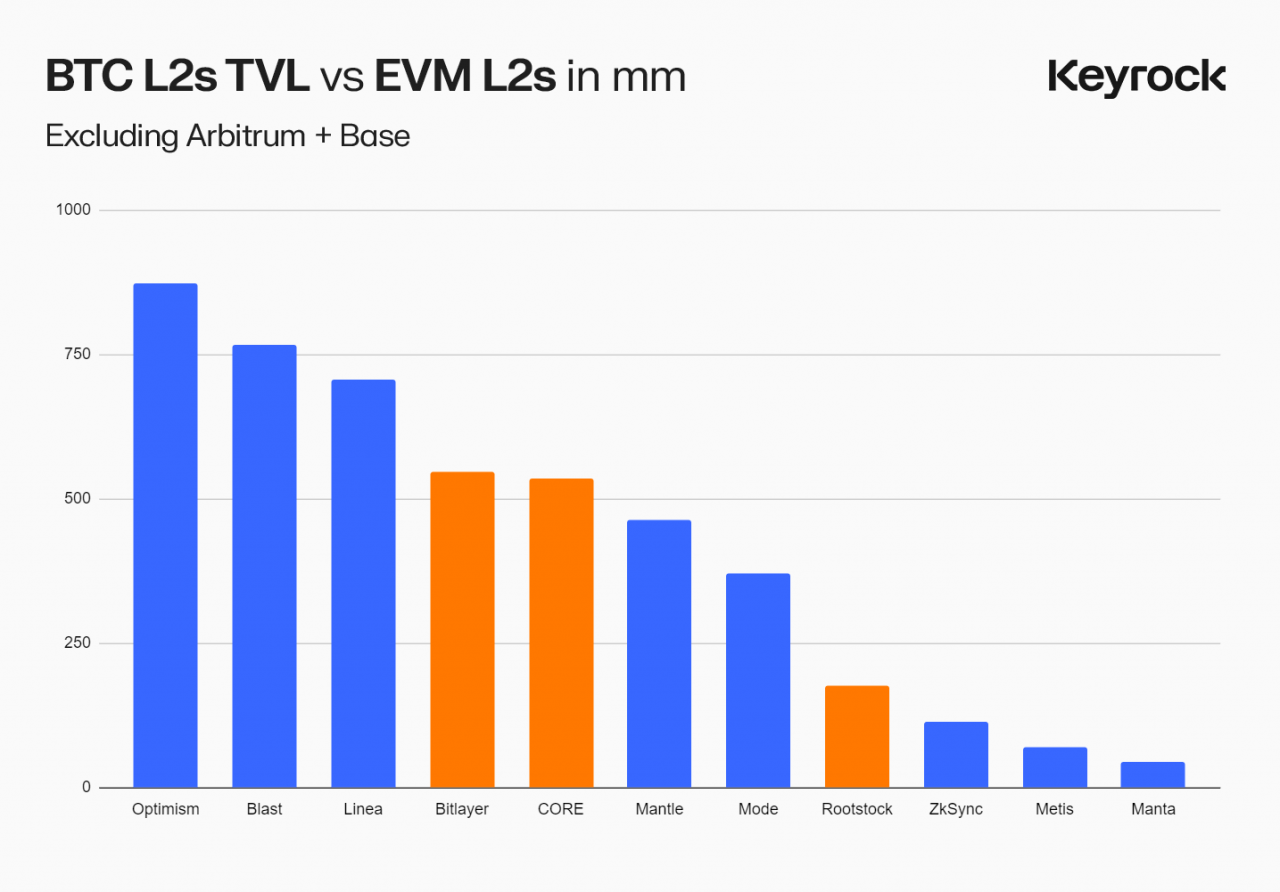
What Are Bitcoin Layer-2s and How Do They Work?

CoinGecko provides several features specifically tailored for tracking Bitcoin Layer 2 projects. These features include up-to-date market data, historical performance metrics, and user-friendly interfaces that allow for easy analysis.Examples of metrics CoinGecko uses to analyze Layer 2 performance include:

  • Transaction volume and speed
  • Network fees
  • Number of active users or nodes
  • Market capitalization and trading volume of associated tokens

Performance Comparison of Bitcoin Layer 2 Solutions

The following table compares the performance of various Bitcoin Layer 2 solutions listed on CoinGecko, showcasing their unique attributes and effectiveness.

Layer 2 Solution Transaction Speed Average Fees Market Cap
Lightning Network Instant Very Low $X Billion
Liquid Network Fast Low $Y Billion
State Channels Instant Variable $Z Billion

Popular Bitcoin Layer 2 Projects Listed on CoinGecko

Among the most popular Bitcoin Layer 2 projects currently listed on CoinGecko are the Lightning Network, Liquid Network, and RSK. Each project has distinct features, use cases, and market performance metrics.

Lightning Network

Strengths

Instant transactions, very low fees.

Weaknesses

Complexity in setup, liquidity issues.

Liquid Network

Strengths

Confidential transactions, faster settlements.

Weaknesses

Centralization concerns, limited adoption.

RSK

Strengths

Smart contract capabilities, robust ecosystem.

Weaknesses

Dependency on Bitcoin network, potential security risks.

The Impact of Bitcoin Layer 2 on the Ecosystem

Layer 2 solutions are playing a transformative role in shaping the Bitcoin ecosystem. By improving transaction speeds and reducing costs, these solutions are making Bitcoin more accessible for everyday transactions. The potential future developments in Bitcoin Layer 2 technologies could include enhanced privacy features, improved interoperability with other blockchains, and greater community engagement.Community feedback regarding Bitcoin Layer 2 solutions is generally positive, with many users appreciating the increased efficiency and lower costs.

However, concerns about security and the complexity of these solutions remain prevalent.

Investment Opportunities with Bitcoin Layer 2

The investment potential of Bitcoin Layer 2 projects is significant, as they address critical scalability issues that could drive broader adoption of Bitcoin. Evaluating Layer 2 solutions for investment involves analyzing metrics such as transaction volume, active user base, market trends, and technological advancements.Strategies for diversifying investments in Bitcoin Layer 2 technologies include:

  • Investing in a mix of different Layer 2 solutions.
  • Keeping abreast of technological developments and updates in the Bitcoin ecosystem.
  • Engaging with community discussions and expert analyses to identify emerging trends.

Challenges Facing Bitcoin Layer 2 Solutions

Key challenges facing Bitcoin Layer 2 projects today include scalability concerns, security vulnerabilities, and issues related to user adoption. Scalability can be hampered by the dependence on the underlying Bitcoin network, while security remains a paramount concern as new technologies are developed.The following table highlights various challenges and potential solutions for Bitcoin Layer 2:

Challenge Potential Solution
Scalability Implementing more efficient protocols and increasing network capacity.
Security Conducting extensive audits and employing robust encryption methods.
User Adoption Improving user interfaces and providing educational resources.

Community and Developer Engagement in Bitcoin L2

Bitcoin L2 Liquidity: All dressed up but where to flow?

Community involvement is crucial for the success and development of Bitcoin Layer 2 solutions. Engaging users and developers helps foster innovation and addresses real-world challenges that these technologies face. Methods to encourage developer engagement include hackathons, community forums, and collaboration with educational institutions.Resources available for learning about Bitcoin Layer 2 development include:

  • Online courses and webinars.
  • Documentation and whitepapers from Layer 2 projects.
  • Community-driven platforms and forums for discussion and support.

    Last Point

    In summary, the evolution of Bitcoin Layer 2 technologies represents a significant shift in the cryptocurrency ecosystem. By leveraging the insights provided by platforms like CoinGecko, investors and developers can better understand the potential of these solutions and their impact on Bitcoin’s future.

    FAQ Summary

    What are Bitcoin Layer 2 solutions?

Bitcoin Layer 2 solutions are technologies built on top of the Bitcoin blockchain to enhance transaction speed and reduce costs while maintaining security.

How does CoinGecko track Bitcoin Layer 2 projects?

CoinGecko tracks Bitcoin Layer 2 projects by analyzing various metrics, including transaction volume, active users, and market performance.

What are some popular Layer 2 solutions for Bitcoin?

Popular Layer 2 solutions include the Lightning Network, Liquid Network, and RSK, each offering unique features and benefits.

What challenges do Bitcoin Layer 2 solutions face?

Challenges include scalability, security concerns, and user adoption, which need to be addressed for broader implementation.

Can I invest in Bitcoin Layer 2 projects?

Yes, investing in Bitcoin Layer 2 projects can be a viable option, but it’s important to conduct thorough research and understand the associated risks.

coingecko bitcoin dominance Understanding Its Market Impact

With coingecko bitcoin dominance at the forefront, the ever-evolving landscape of cryptocurrency invites us to dive deep into the world where Bitcoin reigns supreme. As the leading digital currency, Bitcoin’s market share is a critical indicator of the health and direction of the overall crypto market. By exploring its dominance, we can better understand the fluctuating dynamics that influence investor behavior and market trends.

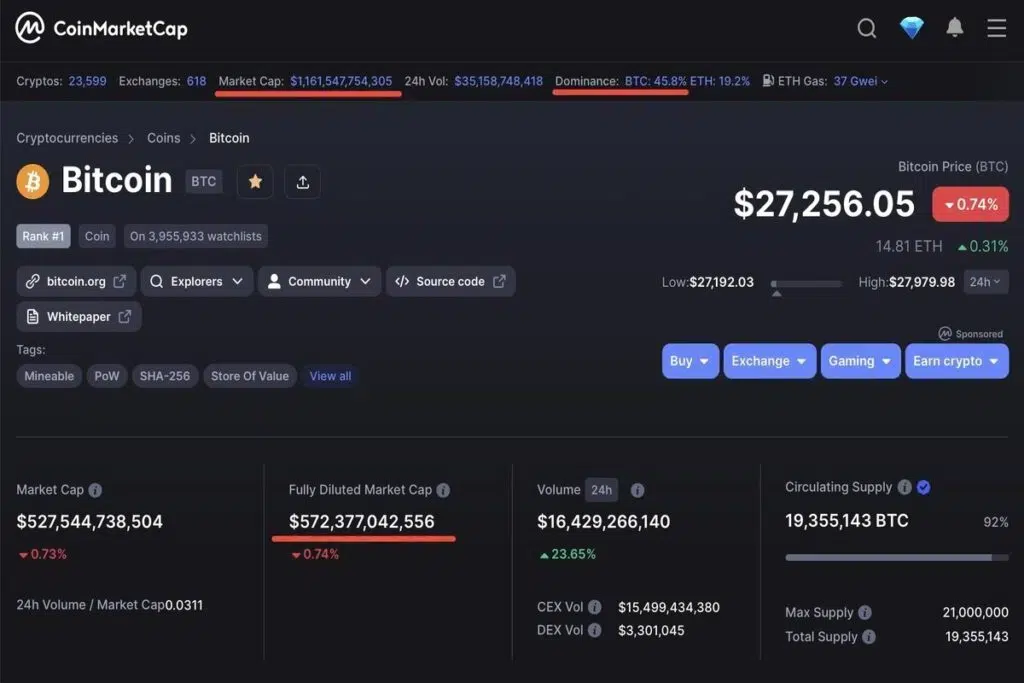
Bitcoin dominance, defined as the ratio of Bitcoin’s market capitalization to the total market capitalization of all cryptocurrencies, reflects its prevailing influence. Factors like technological advancements, regulatory changes, and the performance of altcoins all play a role in shaping this dominance over time, marking a journey rich in historical context and market shifts.

Introduction to Bitcoin Dominance

Bitcoin dominance refers to the percentage of the total cryptocurrency market capitalization that is represented by Bitcoin. This metric is significant as it provides insight into Bitcoin’s market strength and its influence over the broader crypto ecosystem. Factors influencing Bitcoin’s dominance include market sentiment, the performance of alternative cryptocurrencies (altcoins), regulatory developments, and investor behavior. Historically, Bitcoin has maintained a dominant position since its inception, though its market share has fluctuated considerably in relation to the rise of altcoins.

Understanding CoinGecko’s Role

CoinGecko is a prominent cryptocurrency data aggregator that plays a crucial role in providing comprehensive market insights. It tracks various metrics, including price, trading volume, and market cap of cryptocurrencies, with a specific focus on Bitcoin dominance. CoinGecko utilizes several metrics such as the market capitalization of Bitcoin relative to the total market cap of all cryptocurrencies to calculate this dominance.

Utilizing CoinGecko for monitoring Bitcoin’s market share offers benefits like real-time data update, extensive coverage of cryptocurrencies, and user-friendly analytical tools.

Market Trends and Bitcoin Dominance

Understanding Bitcoin Dominance and Its Significance in the ...

In recent months, Bitcoin dominance has shown significant trends, fluctuating based on market conditions and investor interest. For instance, during bull markets, Bitcoin often witnesses a rise in dominance as investors flock to its perceived safety, while in bear markets, altcoins can gain traction, leading to a decrease in Bitcoin’s dominance. Charts illustrating these periods of rising and falling dominance can provide a visual representation of these trends, highlighting critical market movements.

Moreover, there is a clear correlation between Bitcoin dominance and the performance of altcoins, where increased Bitcoin dominance typically corresponds with a lackluster performance of many altcoins.

Impact of Market Events on Bitcoin Dominance

A Guide to Bitcoin Dominance: Its Importance and Is It Declining?

Major events, such as regulatory announcements and technological advancements, have consistently influenced Bitcoin’s dominance. For instance, news regarding stricter regulations can lead to a temporary spike in Bitcoin’s dominance as investors seek stability. Conversely, when technological milestones are reached by altcoins, it may result in a decline in Bitcoin’s market share. An analysis of market sentiment reveals distinct patterns: when favorable news occurs, Bitcoin often outperforms altcoins, while adverse news can lead to the opposite effect.

Future of Bitcoin Dominance

Predictions regarding Bitcoin’s dominance suggest potential trends that could see either an increase or decrease in its market share. Based on current data, scenarios where Bitcoin may increase its dominance include widespread adoption of the cryptocurrency in mainstream finance. Conversely, a surge in DeFi applications or significant advancements in competing altcoins could diminish its market share. Emerging factors such as regulatory clarity, technological innovations in blockchain, and shifts in investor preferences will be critical influencers of Bitcoin’s dominance in the coming years.

Comparison with Other Cryptocurrencies

When comparing Bitcoin dominance with major altcoins like Ethereum, Binance Coin, and Cardano, distinct patterns emerge.

Cryptocurrency Market Capitalization (USD) Dominance Percentage
Bitcoin 700 billion 45%
Ethereum 250 billion 15%
Binance Coin 50 billion 3%
Cardano 40 billion 2%

These comparisons not only highlight the market landscape but also inform investment strategies as investors may consider diversifying between Bitcoin and altcoins based on their dominance percentages and market capitalizations.

Community Perspectives on Bitcoin Dominance

Insights from cryptocurrency communities reveal a diverse range of opinions regarding Bitcoin’s market position. Some community members argue that Bitcoin’s dominance is unsustainable, primarily due to the rapid evolution of altcoins and their growing use cases. Industry experts often contribute to these discussions, emphasizing the importance of technological advancements and market innovations. The ongoing debates reflect a dynamic ecosystem where Bitcoin’s role and influence are continuously evolving.

Last Point

In summary, the journey through coingecko bitcoin dominance reveals not just the metrics behind Bitcoin’s market standing but also the broader implications for the entire cryptocurrency ecosystem. As we look ahead, understanding these trends and factors will be essential for both seasoned investors and newcomers alike, ensuring we remain informed in an ever-changing market landscape.

Key Questions Answered

What is Bitcoin dominance?

Bitcoin dominance is a measure of Bitcoin’s market capitalization compared to the total market capitalization of all cryptocurrencies, indicating its market share.

How can I track Bitcoin dominance?

You can track Bitcoin dominance using platforms like CoinGecko, which provides real-time data and analytics on cryptocurrency market metrics.

Why is Bitcoin dominance important?

Bitcoin dominance is important because it helps investors gauge Bitcoin’s strength relative to other cryptocurrencies, influencing investment decisions and market trends.

Has Bitcoin dominance increased or decreased recently?

Recent trends show fluctuations in Bitcoin dominance, often influenced by the performance of altcoins and significant market events.

What factors can affect Bitcoin’s dominance?

Factors such as market sentiment, regulatory news, technological advancements, and the performance of competing altcoins can all impact Bitcoin’s dominance.

Bitcoin Rally Coinbase Premium Gap Insights And Trends

The bitcoin rally coinbase premium gap sets the stage for this enthralling narrative, offering readers a glimpse into a story that is rich in detail and brimming with originality from the outset.

In the ever-evolving landscape of cryptocurrency, Bitcoin continues to be a central figure, influencing market dynamics significantly. Understanding the interplay between Bitcoin’s price movements and the Coinbase premium gap provides traders and investors with valuable insights. This discussion delves into the core mechanics of Bitcoin, the role of Coinbase as a trading platform, and how the premium gap affects trading strategies, ultimately painting a comprehensive picture of the current market climate.

Understanding Bitcoin and Its Market Dynamics

Bitcoin: How Bitcoin Works and BTC Price History - Master the Crypto

Bitcoin, the pioneering cryptocurrency, has transformed the financial landscape since its inception in 2009. Its decentralized nature and limited supply make it a unique asset, often referred to as digital gold. In the cryptocurrency market, Bitcoin holds significant weight, influencing trends and pricing across various digital assets. Several factors influence Bitcoin’s price movements, including market demand, regulatory news, and macroeconomic trends.

The scarcity of Bitcoin, with a capped supply of 21 million coins, creates a supply-and-demand dynamic that heavily impacts its valuation. Recent trends have shown increasing institutional adoption and retail interest, which are key drivers behind recent Bitcoin rallies.

Exploring Coinbase and Its Role in Cryptocurrency Trading

Bitcoin

Coinbase has emerged as a leading platform for buying, selling, and managing cryptocurrencies. With its user-friendly interface and robust security features, it attracts both new and experienced traders. Coinbase significantly influences Bitcoin trading volumes and market stability. As one of the largest exchanges, it accounts for a substantial portion of Bitcoin transactions, thereby affecting price movements. Recent statistics indicate that Coinbase has seen rapid user growth, with millions of new accounts being opened, which in turn has led to increased transaction volumes.

Defining the Coinbase Premium Gap

The Coinbase premium gap is defined as the difference between the price of Bitcoin on Coinbase and other exchanges. This gap is calculated by comparing the prices at which Bitcoin is traded on Coinbase with those on rival platforms such as Binance or Kraken. The implications of the Coinbase premium gap are notable for traders and investors, as it may indicate market sentiment and liquidity.

Discrepancies in the premium gap can reveal opportunities for arbitrage, where traders can buy Bitcoin at a lower price on one exchange and sell it at a higher price on Coinbase.

Analyzing the Recent Bitcoin Rally

The recent Bitcoin rally was characterized by a series of significant events that propelled prices upward. Key moments included favorable regulatory developments and increased institutional investment, which contributed to heightened market interest. There is a clear correlation between Bitcoin rallies and the Coinbase premium gap, as increased demand on Coinbase often coincides with price surges. During the rally period, market sentiment was predominantly bullish, reflecting optimism among traders and investors regarding Bitcoin’s potential.

The Impact of the Coinbase Premium Gap on Trading Strategies

Trading strategies that leverage the Coinbase premium gap can be highly effective. By monitoring the gap, traders can capitalize on price discrepancies between Coinbase and other exchanges. For example, a trader might buy Bitcoin on a platform where the price is lower and sell it on Coinbase, profiting from the difference. However, it is essential to weigh the risks against the potential benefits, as market volatility can lead to rapid changes in prices.

Future Trends and Predictions

Future movements of Bitcoin will likely be influenced by ongoing trends in regulation, technological advancements, and macroeconomic conditions. Experts predict that the Coinbase premium gap may persist as a feature of the market, driven by differences in user behavior and trading volume across platforms. Factors such as growing institutional interest and potential new regulatory frameworks could heavily influence future Bitcoin rallies, positioning the cryptocurrency for continued growth in the coming years.

Wrap-Up

In summary, the relationship between the bitcoin rally and the Coinbase premium gap reveals critical insights into market behavior and trading opportunities. As we monitor future trends, it becomes essential for stakeholders to remain informed and adaptable. The discussions around the implications of the Coinbase premium gap not only enhance trading strategies but also equip investors with the knowledge to navigate the complexities of the cryptocurrency market.

FAQ Guide

What is the Coinbase premium gap?

The Coinbase premium gap refers to the price difference between Bitcoin on Coinbase and other exchanges, indicating market sentiment and liquidity.

How does the Coinbase premium gap affect trading?

Traders can leverage the premium gap to identify potential arbitrage opportunities, influencing their trading strategies.

Why does the Coinbase premium gap fluctuate?

The gap can fluctuate due to varying demand on different exchanges, market news, and investor sentiment.

How can I track the Coinbase premium gap?

Several cryptocurrency tracking websites and tools offer real-time data on the price differences across exchanges, including the Coinbase premium gap.

Is trading on Coinbase safer than other exchanges?

While Coinbase is known for its security features, the safety of trading also depends on individual practices and the overall security of the exchange.

Education And Internet Access Bridging Gaps In Learning

In today’s digital age, education and internet access have become intertwined, shaping the way students learn and engage with the world. The internet presents a vast array of resources that enhance educational opportunities, allowing students to explore subjects beyond classroom walls and access varied learning materials at their fingertips.

However, the reality is that not all students have equal access, raising concerns about educational equity. As we delve into the implications of internet connectivity on learning, it becomes clear that addressing these disparities is essential for cultivating a more inclusive educational landscape.

The Importance of Internet Access in Education

New Education Policy 2023 in India [Updated]

In today’s digital age, the significance of internet access in education cannot be overstated. The internet serves as a crucial tool that enhances learning opportunities for students, providing access to a vast range of resources and information. From research materials to online courses, students can expand their knowledge and skills in ways that were previously unimaginable.Access to the internet opens doors to a plethora of educational resources.

For instance, platforms like Khan Academy, Coursera, and edX offer free or low-cost courses on various subjects, allowing students to learn at their own pace. Additionally, online libraries and databases such as JSTOR and Google Scholar provide access to academic journals and articles, which are invaluable for research projects. However, limited internet access can create significant disparities in educational equity, leaving many students unable to take advantage of these resources.

Digital Divide and Its Impact on Education

The digital divide refers to the gap between those who have easy access to the internet and modern technology and those who do not. Various factors contribute to this divide in education, including socioeconomic status, geographical location, and infrastructure availability. Students from low-income families or rural areas often face challenges in accessing reliable internet, which can hinder their academic progress.The consequences of the digital divide are profound.

Students from varying socioeconomic backgrounds experience differing educational outcomes, with those lacking internet access falling behind their peers. For instance, a study by the Pew Research Center found that students without internet access at home are less likely to complete homework assignments and participate in online learning opportunities. Comparing regions with high and low internet access reveals stark contrasts in educational performance, with areas boasting better connectivity seeing higher graduation rates and test scores.

Online Learning Platforms and Their Effectiveness

The rise of online learning platforms has transformed the educational landscape, offering diverse options for students. Platforms like Zoom, Google Classroom, and Moodle enable educators to create engaging learning environments that can reach students anywhere, anytime. Additionally, the effectiveness of online learning compared to traditional methods has been supported by statistical data. Research indicates that students in online learning environments may outperform their peers in face-to-face settings due to the flexibility and personalized learning experiences available.Despite the advantages, educators face challenges in implementing online teaching.

Issues such as lack of training, technology access, and student engagement can hinder the effectiveness of online education. Many teachers are adapting to new technologies while also ensuring that their students remain motivated and involved in their learning process.

Government Initiatives to Improve Internet Access

Education and internet access

Governments around the world are recognizing the necessity of improving internet access for educational purposes. Various programs have been established to tackle this issue, including:

  • National broadband initiatives that aim to expand internet infrastructure in rural and underserved areas.
  • Subsidies for low-income families to afford internet services.
  • Partnerships with technology companies to provide devices and connectivity solutions for schools.

Successful case studies from different countries illustrate how improved internet access can lead to better educational outcomes. For instance, in Finland, extensive government investment in digital infrastructure has resulted in high student performance in international assessments. Public-private partnerships have also played a significant role in expanding internet access, demonstrating the power of collaboration in addressing educational challenges.

The Role of Communities in Enhancing Internet Access

Local communities have a vital role in enhancing internet access for schools. By mobilizing resources and forming partnerships with local organizations and technology providers, communities can create solutions that bridge the digital divide. Examples of community-driven initiatives include:

  • Local fundraising campaigns to provide Wi-Fi hotspots for students.
  • Collaborations with libraries and community centers to offer free internet access.
  • Workshops aimed at teaching digital literacy and technology skills.

Community engagement is crucial for sustaining internet access projects. When local stakeholders are involved, initiatives are more likely to be tailored to the specific needs of the community, ensuring long-term success and increased educational opportunities.

Future Trends in Education and Internet Connectivity

As we look to the future, advancements in technology are expected to enhance internet access in education further. A roadmap for these advancements includes:

  • The deployment of 5G technology, which promises faster and more reliable internet connections.
  • The expansion of satellite internet services to reach remote areas.
  • Innovative educational technologies, such as augmented and virtual reality, that require robust internet infrastructure.

Emerging technologies like 5G and satellite internet hold the potential to revolutionize educational experiences by providing high-speed connectivity to previously underserved regions. Educational institutions can prepare for these trends by investing in technology infrastructure and training educators to utilize new tools effectively, ensuring that the future of education is accessible to all.

Conclusion

Ultimately, the intersection of education and internet access highlights both the incredible potential of technology to enhance learning and the persistent challenges posed by the digital divide. By fostering government initiatives, community engagement, and innovative online learning solutions, we can work towards a future where every student has the opportunity to thrive in an interconnected world.

Expert Answers

Why is internet access important for students?

Internet access provides students with a wealth of information and resources that enhance learning, enabling them to research, collaborate, and develop critical thinking skills.

How does the digital divide affect students?

The digital divide creates disparities in educational opportunities, as students without reliable internet access may struggle to complete assignments, access learning materials, or participate in online classes.

What are some effective online learning platforms?

Popular online learning platforms include Khan Academy, Coursera, and Edmodo, which offer various courses and resources tailored to different learning styles.

How can local communities improve internet access?

Communities can mobilize resources through initiatives like establishing free Wi-Fi hotspots, collaborating with local businesses, and advocating for better infrastructure to support schools.

What role do governments play in improving internet access?

Governments can implement policies and programs aimed at expanding broadband access, funding technology in schools, and partnering with private sectors to enhance connectivity.

Bitcoin Coinbase Live Chart Insights And Analysis

The bitcoin coinbase live chart has become an essential tool for anyone involved in cryptocurrency trading. By providing real-time data and insightful trends, it empowers traders to make informed decisions in a fast-paced market. Understanding how to navigate this chart not only enhances trading strategies but also deepens one’s grasp of Bitcoin’s fluctuations and market dynamics.

With Bitcoin’s journey from its inception to its current status as a leading cryptocurrency, platforms like Coinbase play a pivotal role in shaping trading experiences. The live chart showcases Bitcoin’s performance, helping users visualize price movements and enabling them to react swiftly to market changes.

Understanding Bitcoin

Bitcoin, introduced in 2009 by an anonymous entity known as Satoshi Nakamoto, is a decentralized digital currency that has significantly impacted the cryptocurrency market. As the first cryptocurrency, its introduction marked a paradigm shift in how value can be transferred and stored without the need for traditional financial institutions. Bitcoin operates on a peer-to-peer network, enabling users to send and receive payments directly without intermediaries.The history of Bitcoin is one of rapid evolution.

From its early days as a niche interest among tech enthusiasts, Bitcoin has grown into a sought-after asset class, attracting investors and institutions worldwide. The technology behind Bitcoin, known as blockchain, is a distributed ledger that ensures transparency and security of transactions. Key features include limited supply capped at 21 million coins, pseudo-anonymity, and the ability to secure transactions through cryptographic functions.

Introduction to Coinbase

¿Qué es el Bitcoin y cómo funciona? - YouTube

Coinbase is one of the leading cryptocurrency exchange platforms, catering to millions of users globally. Launched in 2012, it provides a user-friendly interface for buying, selling, and managing digital currencies, primarily Bitcoin. Coinbase stands out for its simplicity, making it an ideal entry point for newcomers to the crypto space.The platform offers a variety of services, including an online wallet, advanced trading features through Coinbase Pro, and educational resources for users looking to expand their cryptocurrency knowledge.

Compared to other exchanges, Coinbase prioritizes user experience with a clean design and responsive customer service, although it may have higher fees than some competitors. Security measures such as two-factor authentication and insurance against breaches further enhance the safety of user assets.

The Importance of Live Charts

Live charts play a crucial role in tracking the performance of cryptocurrencies, particularly Bitcoin. These charts provide real-time data on price movements, trading volume, and market trends, enabling traders to make informed decisions. By monitoring live charts, investors can identify market patterns and potential entry or exit points.Understanding how to interpret live charts can significantly influence trading strategies and market analysis.

Traders can utilize various methods to analyze trends, such as recognizing support and resistance levels, and using indicators like moving averages. This analytical approach helps in making more strategic trading decisions.

Analyzing the Bitcoin Coinbase Live Chart

The Bitcoin live chart on Coinbase consists of several components that provide necessary insights for traders. Key elements include price action, volume bars, and various technical indicators that can be overlaid on the chart for enhanced analysis. To effectively read and analyze the live chart, one can follow these steps:

  • Observe the price movement over different time frames (e.g., hourly, daily).
  • Identify significant price levels, such as support and resistance.
  • Analyze volume patterns to understand market strength behind price movements.

The live chart includes various indicators, such as RSI (Relative Strength Index) and MACD (Moving Average Convergence Divergence), each signifying different market conditions. These indicators can help traders gauge whether Bitcoin is overbought or oversold, assisting in their decision-making processes.

Trading Strategies Using Live Charts

Traders can employ several effective strategies utilizing live charts for Bitcoin trading. Strategies may include:

Trend following

Identifying upward or downward trends and trading in the direction of these movements.

Breakout trading

Watching for price levels where Bitcoin breaks through significant resistance or support.

Scalping

Making quick trades based on small price changes for immediate profits.Risk management techniques are essential when trading Bitcoin based on live chart data. Setting stop-loss orders and determining position sizes based on market volatility are fundamental practices that protect traders from unexpected market swings. Timing is critical; traders must recognize when to enter or exit positions based on chart movements.

Technical Analysis Tools for Live Charts

Various technical analysis tools can enhance the interpretation of Bitcoin live charts. Common tools include:

Indicators

Such as Bollinger Bands, RSI, and MACD, which help analyze price momentum.

Overlays

Moving averages and Fibonacci retracement levels, providing insights into market trends.To implement these tools effectively alongside live charts, traders should understand their functions and how they correlate with price movements. The following table categorizes some essential tools based on their functions:

Type Tool Function
Indicator RSI Measures momentum and overbought/oversold conditions.
Overlay Moving Averages Identifies trends by smoothing out price data.
Indicator MACD Shows trend direction and momentum through moving averages.

Case Studies and Examples

Real-world examples of successful trades based on Bitcoin live chart analysis highlight the effectiveness of this approach. For instance, a trader who identified a bullish breakout above a significant resistance level on the Coinbase live chart may have experienced substantial profits during the subsequent price surge.Past trends observed on the Coinbase live chart, such as the December 2017 bull run, can provide valuable insights into market behavior during similar price movements.

Analyzing a specific trading day, such as the significant drop on March 12, 2020, traders could have used live chart data to implement risk management strategies and mitigate losses.

Future Trends in Bitcoin and Coinbase

Billionaire Jeff Gundlach Discusses When to Buy Crypto — Warns of ...

Potential future developments in Bitcoin and Coinbase may significantly impact the cryptocurrency landscape. Innovations such as layer-2 solutions and upgrades to the Bitcoin protocol may enhance scalability and transaction speed, attracting more users to the network.Emerging technologies like artificial intelligence and machine learning could revolutionize live chart functionalities, offering improved predictive analytics for traders. Additionally, market trends influenced by institutional adoption and regulatory developments may shape Bitcoin prices in the coming years, creating both challenges and opportunities for investors.

Final Review

In conclusion, mastering the bitcoin coinbase live chart is vital for both novice and experienced traders looking to stay ahead in the cryptocurrency game. By leveraging the insights gained from this live chart, traders can refine their strategies, increase their understanding of market trends, and ultimately enhance their trading performance. As the cryptocurrency landscape continues to evolve, staying updated on these tools will be crucial for future success.

Question & Answer Hub

What is the bitcoin coinbase live chart?

The bitcoin coinbase live chart is a real-time graphical representation of Bitcoin’s price movements on the Coinbase platform, allowing users to track its performance and make informed trading decisions.

How do I read the bitcoin coinbase live chart?

You can read the bitcoin coinbase live chart by analyzing price trends, volume indicators, and various technical analysis tools that help interpret the data effectively.

Why is the live chart important for trading?

The live chart is crucial for trading as it provides real-time data that influences buying and selling decisions, allowing traders to react quickly to market changes.

Can I use the bitcoin coinbase live chart for other cryptocurrencies?

While the chart is specifically designed for Bitcoin, similar live charts are available for other cryptocurrencies on Coinbase and other exchanges.

What tools can I use to enhance my analysis of the chart?

Various technical analysis tools such as moving averages, Bollinger Bands, and RSI (Relative Strength Index) can be used to enhance your analysis of the bitcoin coinbase live chart.